Category: quote

  • two worlds

    already_dead

    From Denis Johnson’s Already Dead:

    “…[she] had given him the Emerson book. He’d been fascinated with her when they met, because she read such things and seemed to live in two worlds at once—the world of her life, and the world of books in which she found her life explained. Eventually the two worlds came together somewhere inside of her and made for tremendous strength when it came to making large decisions, as, for instance, the decision to turn her back on her husband.”

  • Campbell and Oedipus

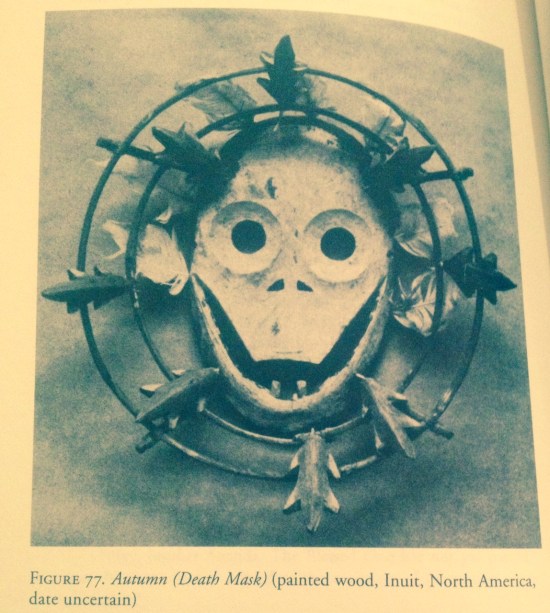
    Inuit_Autumn

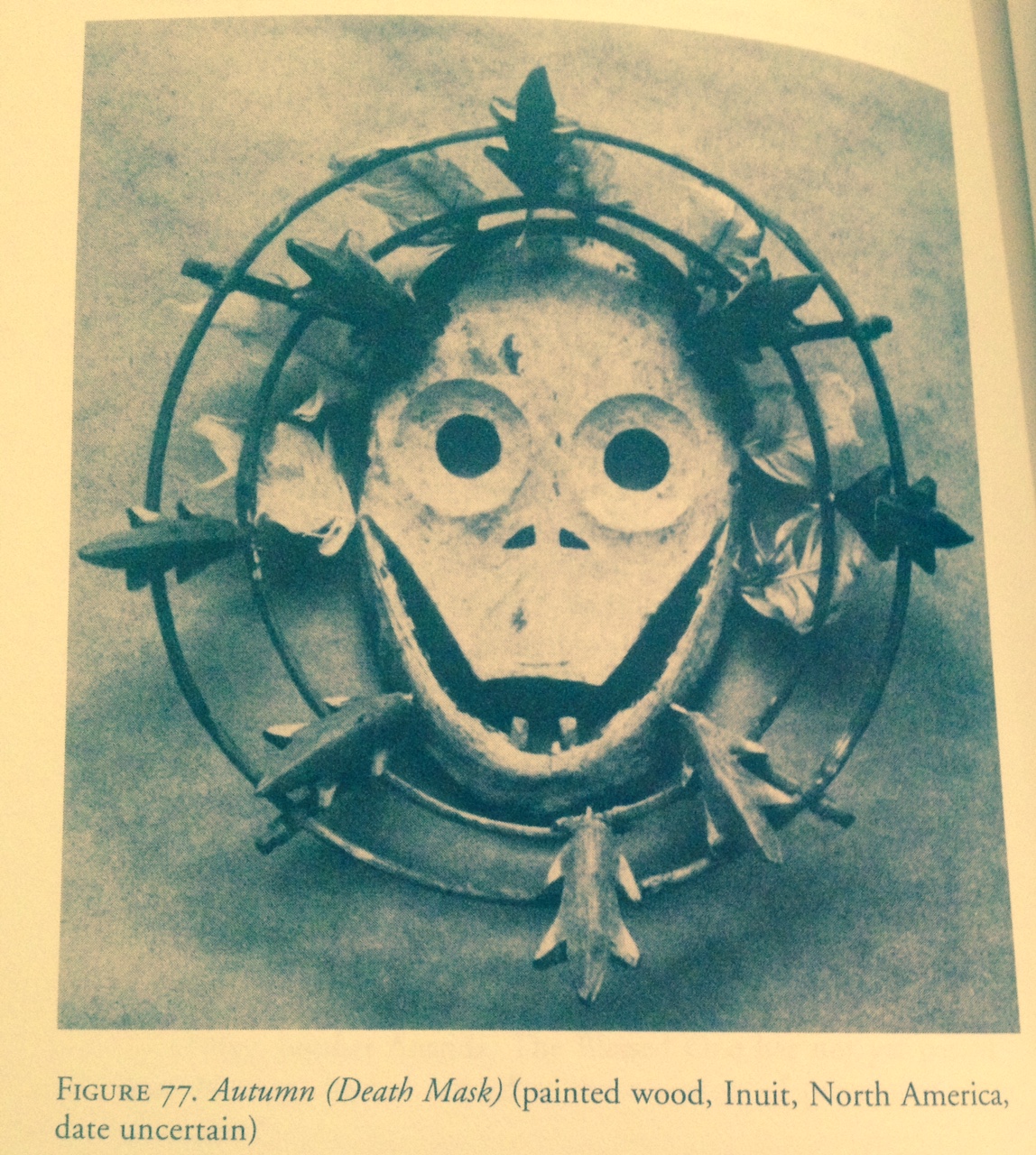
    Of all animals, we remain longest at the mother breast. Human beings are born too soon; they are unfinished, unready as yet to meet the world. Consequently their whole defense from a universe of dangers is the mother, under whose protection the intra-uterine period is prolonged. Hence the dependent child and its mother constitute for months after the catastrophe of birth a dual unit, notably physically but also psychologically. Any prolonged absence of the parent causes tension in the infant and consequent impulses of aggression. Also, when the mother is obliged to hamper the child, aggressive responses are aroused. Thus the first object of the child’s hostility is identical with the first object of its love, and its first ideal…

    The unfortunate father is the first radical intrusion of another order of reality into the beatitude of this earthly restatement of the excellence within the womb. He is therefore experienced primarily as an enemy. To him is transferred the charge of aggression that was originally attached to the bad or absent mother…

    Joseph Campbell, The Hero With a Thousand Faces
  • on Nietzsche

    Flaming youth

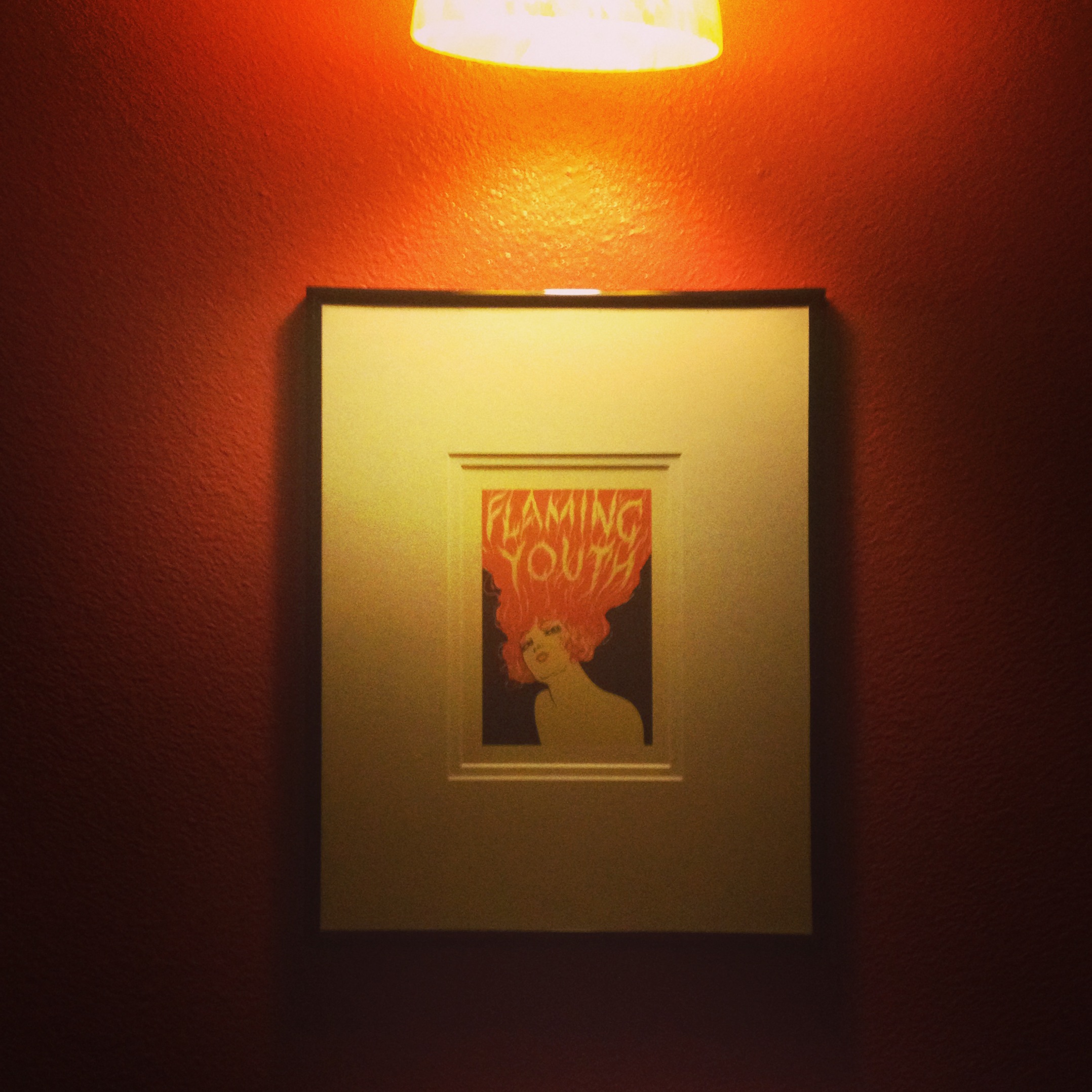
    …Nietzsche wished to make a rule of the exception. The higher self becomes the measuring stick against which human life is evaluated. To realize his potential, man must struggle such that his higher self may rule. One seeks, in other words, to extend the time one lives in a state of inspiration…The feeling of inspiration, of a heightened sense of power, is attainable only when the soul rises above itself…Whoever demands greatness from himself is subject to unending inner struggle…

    Leslie Paul Thiele, Nietzsche and the Politics of the Soul

  • Apollo/Dionysus

    Gemini

    Man now expresses himself through song and dance as the member of a higher community; he has forgotten how to walk, how to speak, and is on the brink of taking wing as he dances. Each of his gestures betokens enchantment; through him sounds a supernatural power, the same power that makes the animals speak and the earth render up milk and honey. He feels himself to be godlike and strides with the same elation and ecstasy as the gods he has seen in his dreams. No longer the artist, he has himself become a work of art. – Nietzsche

  • Nietzsche on quiet fruitfulness:

    word blur

    The born aristocrats of the mind are not in too much of a hurry; their creations appear and fall from the tree on some quiet autumn evening, without being rashly desired, instigated, or pushed aside by new matter. The unceasing desire to create is vulgar, and betrays envy, jealousy, and ambition. If a man is something, it isn’t necessary for him to do anything−and yet he does a great deal. And still there is a human species higher than the “productive” man.

    Human, All Too Human

  • adj: Borgesian

    photo

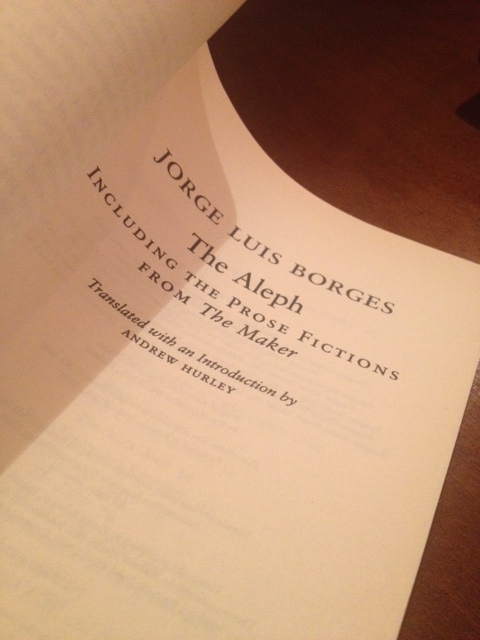
    I felt, on the last page, that my story was a symbol of the man I had been as I was writing it, and in order to write that story I had to be that man, and in order to be that man I had to write that story, and so on, ad infinitum. (And just when I stop believing in him, “Averroës” disappears.)

    Borges, from The Aleph