Dear Jennifer, I know you won’t read this, wherever you are, stuck in the muddy waters of your consciousness, if you’re alive at all. I dream of you often, I dream that you have wrinkles in your face and that you’re still in the village. I imagine you’re married, maybe for the second time. You’ve got three grown children and four grandchildren and you’re happy or at peace despite the frailty in the world around you. I imagine we converse, we’re seated in your sitting room across from one another after all these years, each of us hardly recognizable to the other. The floor is bare wood and the walls of the room are decorated with framed photos, and I say, You’ve changed.
As have you.
You haven’t strayed from the village.
No, I haven’t.
Have you thought of me?
Every now and then.
Do you remember our times together?
I have a hard time.
It was a long time ago.
Yes it was.
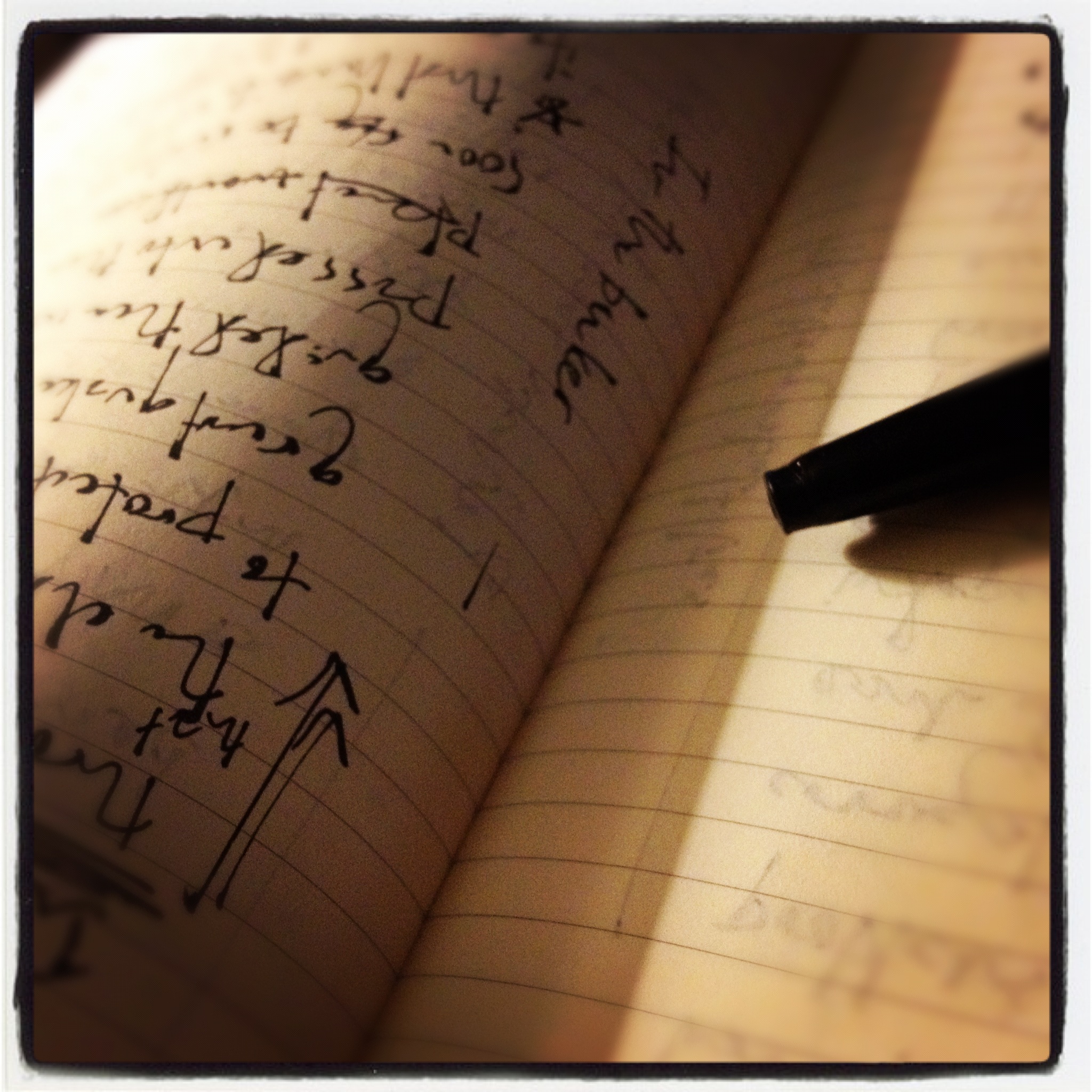
—and it would continue like that for hours, tentatively at first and then even slower, for we who no longer recognize whom we have loved quickly run out of things to say. But I know you’re not reading this, Jennifer, your eyes will not ever scan these lines. No one will read these words and that is as it should be. Perhaps Jorge will stumble upon them by accident one day or night and the idea of that is torture enough for me. Much of what’s in these notebooks is nonsense, meaninglessness, without value, word games and random emotion, detailed illustrations of the curse upon the infinitude of the private man. The more frivolous the words and ideas, the closer they originate in the most interior part of the self, the most private, intimate, secret room in the mind. Every writer has these notebooks or heaps of scraps that expose his many weaknesses as an artist but also as a man. The notebooks become a worthless catalog of futility that upon completion he avoids and wishes to destroy. He regards his notebooks with embarrassment. All of his pages and papers are full of affirmations and doubts and worthless blood oaths of nothing and everything that enter (exit) the mind of a person who writes to validate his life.
It is a privilege to converse with you in your sitting room near your fireplace with photos of your family framed on the wall. It’s cozy here. Everyone in your family has your eyes, except your husband, of course, and maybe there’s a photo of you as a girl, the Jennifer I remember, freckles and dresses, dirty feet, the youth stripped away bare by consequences we inherited, and you’ll look at all the scars on my body and know exactly how I got them. The scar beneath the left eye now browned and hardened with age, you’d know it was a fight I had with a landlord in the Appalachians. You’d know it because I wrote it in a notebook and sent it to you. You’d know about the scar up the inside of my right forearm and the whore in Denver who cut me when I grabbed her. You’d know because I wrote and confessed. I wrote it just as it happened. But what you wouldn’t know, Jennifer, is that I cried as I wrote you—
It’s okay.
No, it was wrong of me. I am a bad person. I have done terrible things. I have killed and harmed and still I write with you in mind if only from a smoky vantage. Though you’ll never read the words. Of course you have a husband, your second, and he constructs things, he’s a carpenter or an architect, a practical man who knows the world needs more builders. You try to help your community through its unbearable winters and flawless crepuscular moments and you worship in some crystallized place of quietude. It seems so foreign and forgotten to me. You and I sit across from one another in your sitting room with coffee cooling in mugs in our hands and we talk about the affairs of the world or maybe we don’t. We realize almost immediately how far apart we have grown, how different we are. It seems we never knew each other. I am suddenly incredulous, stupefied. My memory is fractured and incomplete and I might not have known you at all but invented you through the years as a way to protect myself, to dissociate from the danger and chaos around me. I invented the village in the Tetons, I invented my adoptive parents, I fabricated those discussions with you on the hill at sunset. All of it, a dream, a lie to myself. I cannot distinguish real memories from those I’ve invented, so elusive my past and identity are. Maybe Jorge is the true Jennifer, he’s the real intended recipient of these notebooks, and even he just a complex invention or delusion.
I won’t offend your sense of decorum, Jennifer, I won’t mention the brutality I’ve witnessed, the catalogue of failed moral judgments, because I am not a perfect man. You’d know this because I wrote to you, I wrote it all down for you with blood and dirt in the cracks of my hands. I told you everything; I held nothing back. In this sense you know me better than I know myself, you know my secrets and delusions and I know nothing about you. I am wide open beneath the cold blade of your scrutiny, sentenced to a panopticon of my own design.
Maybe you should leave.
Of course.
Please.
Is it because I stopped writing to you? Because I stopped sending the notebooks?
I’ll scream.
—and I deserve your screams, Jennifer. Howl and scream and remind me that you’re alive, that I’m not inventing this. I should not have stopped sending my notebooks. I should have always kept you close, always just a pen stroke away. I can reach out across the light and touch you. You’re so cold. What happens when we go, Jennifer? What happens when the eyes cease to glitter and our minds race dreamless into oblivion? What happens when there are none of us left to roam this place and drain its resources? What happens when our languages hush with us? Thunder echoes in fragmented mosaic and the human cadence is weak in response. Could our direct forebears have known they were living in the penultimate age?
Some of us are so convinced of our fate. What happens when our wells dry up, when the world is finally free of the human stain? We can’t all of us be certain of the fate of the human species, Jennifer. Or better — we can’t all of us live to see the truth (or untruth) of our respective beliefs. What happens to the planet then? There will be wind and seasons and there will be the Earth’s only true enlightened creature, the sea, for the sea is not ever surprised despite its eternal metamorphosis. The sea, though it always changes, remains forever unchanged—
 truthfront