A detective novel is always good for the first twenty pages because that is where the author presents the world in which the intrigue will develop: for example, let’s say, the Japanese laundromats in Buenos Aires. […] One wonders why it is that the Japanese population in Buenos Aires opens laundromats. After that question is answered, a crime appears, and, from that point onward, the bad novels respond to the mystery with predictable schemes. Only the best writers are able to add something extra to the construction of the intrigue, going beyond simple suspense or simple solutions to the problem. A writer who is able to write something beyond the simple plot is one who achieves a novel that is worthy of translation.
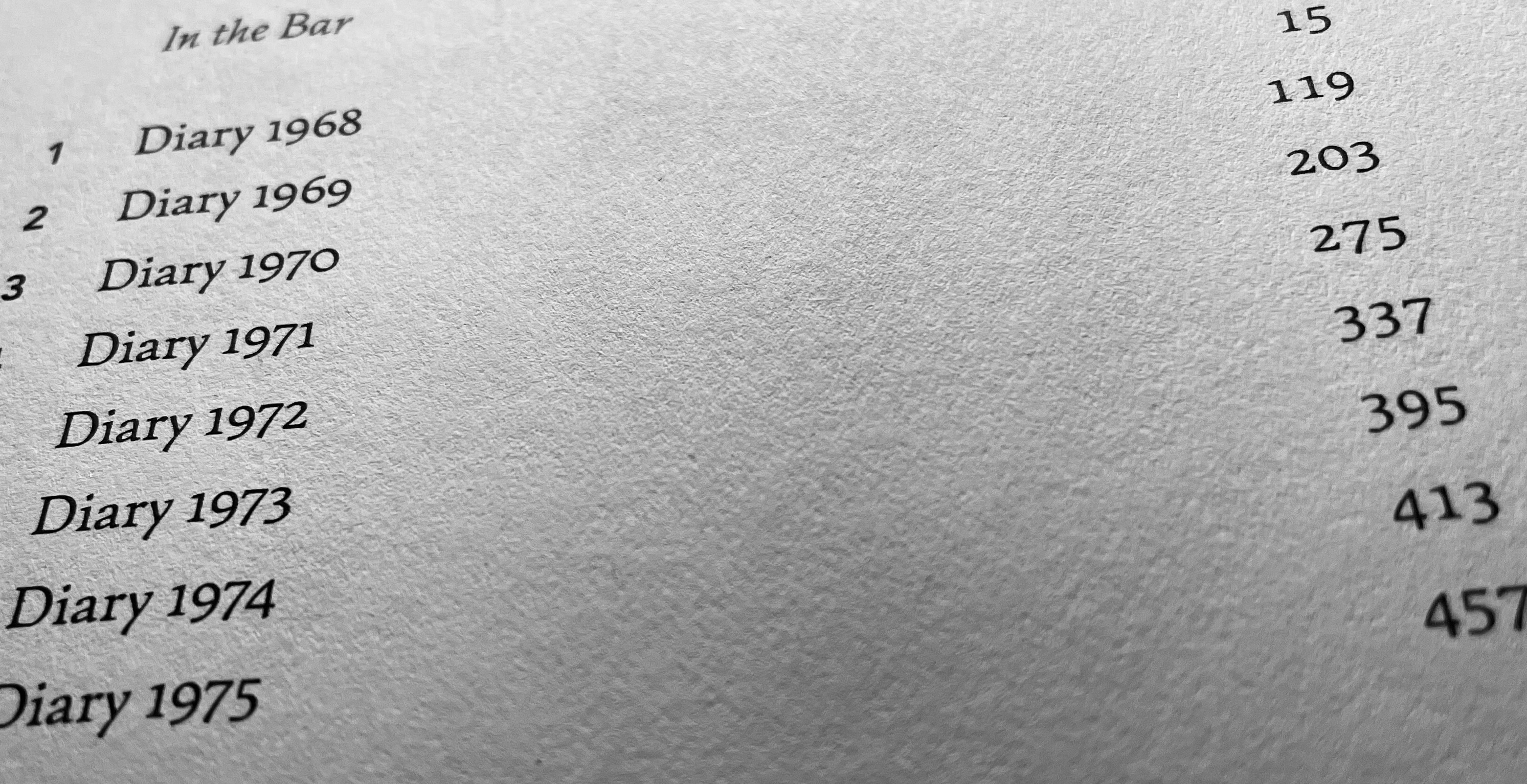
Piglia, Ricardo, trans. by Robert Croll. The Diaries of Emilio Renzi: The Happy Years. Restless Books, New York, 2018: 185.
 truthfront
Leave a comment